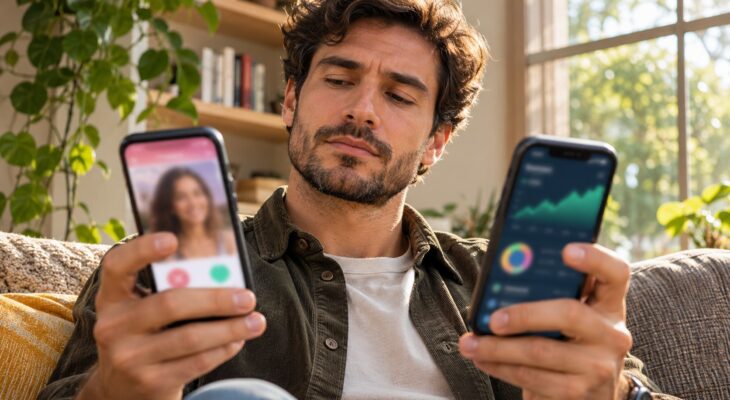
Romance Scams Today: Warning Signs Beyond the Old Stereotypes
An online relationship can begin with ordinary conversation and still become a scam later. The warning signs are in the requests and behaviour, not a person’s nationality or appearance.
Scammers may use stolen photographs, establish trust over weeks or months and claim they cannot meet. Some invent an emergency and ask for money. Others introduce an investment opportunity, including a supposed cryptocurrency platform, and show a balance that may not be real.
Slow down when money enters the conversation
Be cautious if someone asks you to send money, move a conversation away from the original service quickly, keep the relationship secret or use an investment site they recommend. A video call or convincing profile is not proof that the person or opportunity is genuine.
Never share banking passwords, identity documents or one-time security codes. Do not borrow money or invest because an online contact promises a guaranteed return. Verify any company independently through a financial regulator and use contact details you find yourself.
If you have already sent money
Stop further payments, including any fee said to release a profit or recover a loss. Contact your bank or payment provider immediately using an official number; ask about possible options, though recovery is not guaranteed. Save messages and transaction details securely, report the profile to the platform and consider reporting the fraud to local authorities.
Be wary of a second person offering to recover the money for an upfront fee. That can be another scam. Talk to someone you trust. These schemes are designed to exploit emotions, and being targeted is not a reason for shame.
The US Federal Trade Commission’s guidance describes both emergency requests and investment pitches. The same precautions apply regardless of where an account claims its owner lives.


Investigate Support
https://www.internetspampolice.com