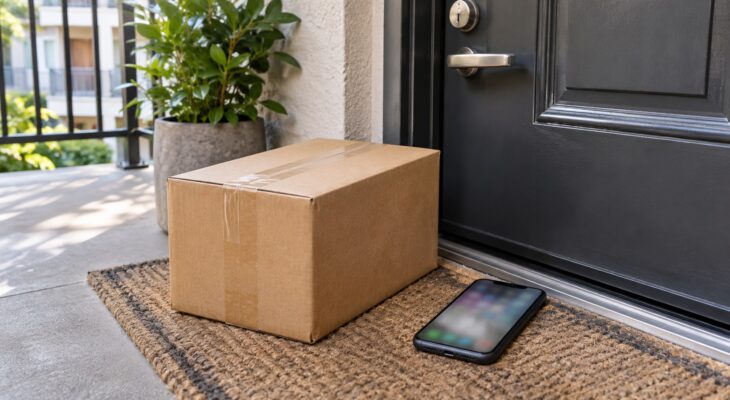
Fake Delivery Fees: How to Check a Courier Message
“Your parcel could not be delivered. Pay a small fee now.” A message like this can look convincing, especially when you are waiting for an order. Scammers use delivery messages to send people to imitation websites that request card details or personal information.
Verify the delivery yourself
Do not rely on the link, phone number or tracking page in an unexpected message. Open the retailer’s official app or website independently and check the order. If there is a courier, use its official tracking service and a tracking number from your order confirmation. Contact the company through a number you find separately if something is unclear.
An unfamiliar sender, a demand for immediate payment or a request to confirm extensive personal details are reasons to pause. But a well-written message and a familiar company name do not prove it is genuine.
What if a real fee is due?
Some legitimate deliveries can involve customs or other charges, depending on the shipment. Confirm the amount and payment process directly with the retailer or courier before paying. An unexpected parcel or message alone is not proof of a debt.
If you clicked or paid
If you entered card or bank information, contact your bank or card issuer promptly using its official number. Ask about blocking the card, monitoring transactions and disputing unauthorised charges. If you entered a password, change it through the genuine service and update any reused password. Follow your provider’s instructions if you downloaded a file or installed an app.
Report the message through your phone or email provider and to the relevant local fraud-reporting service. Keep useful evidence securely. Quick independent verification is safer than responding under pressure.


Investigate Support
https://www.internetspampolice.com